
Replacing traditional lighting with LED involves more than unscrewing a halogen bulb and fitting an LED in its place. There are several factors to consider, and a few common mistakes can leave you with lighting that is too dim, too harsh or that fails long before it should. We are often asked about everything from installation to colour temperature and colour rendering, so here are the four mistakes we see most often, and how to avoid them, whether you are replacing halogen spots at home or fluorescent tubes in a factory.
1. Choosing LEDs by wattage instead of light output
This is the most common mistake. For decades, people judged brightness by wattage: a 60W bulb for a living room, a 50W halogen spot for a kitchen. But watts measure how much electricity a light uses, not how much light it produces.
Because LEDs are so much more efficient, an LED that uses the same wattage as your old bulb will be far brighter than you expect. Replacing a 20W halogen with a 20W LED, for example, would give you a very different result. Instead, compare:
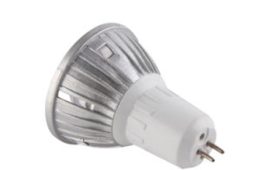
- Lumens (lm): the actual amount of light produced. Match or slightly exceed the lumens of the light you are replacing. As a rough guide, a 50W halogen GU10 gives around 350–450 lumens, and a 60W incandescent bulb around 800 lumens.
- Efficacy (lumens per watt): how efficiently the light converts electricity into light. A higher figure means more light for less power, and is useful when comparing two LED products.
In commercial projects, the same principle applies on a larger scale. Rather than replacing fittings one-for-one, a lighting calculation determines how many lumens each area needs to reach recommended light levels. Our guide to GU10 bulbs covers lumens and beam angles for spotlights in more detail.
2. Ignoring light distribution
How light is distributed has a huge effect on how a space looks and feels. Traditional bulbs emit light in almost all directions, and fluorescent tubes spread light widely. Many LEDs are more directional by nature. If you simply replace one with the other, you may find the light more concentrated: brighter directly underneath but with darker areas between fittings, more contrast and sometimes more glare.
To avoid this:
- Check the beam angle. Wide beams suit general lighting; narrow beams suit accent lighting.
- Choose fittings with good diffusers or optics where you want soft, even light, such as offices, classrooms and living areas.
- For high-bay and floodlight upgrades, select optics to suit the mounting height and layout, rather than assuming the new fittings should go exactly where the old ones were.
The aim is uniform, comfortable light, not just a brighter spot.
3. Not checking the supplier and product quality
As LED lighting has become mainstream, the market has filled with products of very different quality. Two products that look identical can perform very differently. Cheaper products may use inferior drivers, inadequate heat sinks or low-grade LED chips, leading to flicker, colour shift, rapid loss of brightness or early failure. Datasheet claims are not always reliable either.
Before buying, check that:
- The supplier specialises in lighting and can provide full datasheets, including lumens, efficacy, colour rendering (CRI), colour temperature and rated life.
- Products carry the CE mark and come from reputable manufacturers.
- The supplier can give advice on choosing products and stands behind what they sell.
Our article What is so special about LED bulbs? explains why component quality makes such a difference to lifespan.
4. Not getting a proper warranty
LED lighting is an investment that should pay back over many years. A meaningful warranty is a sign that the manufacturer and supplier have confidence in their products, and it protects you if something goes wrong. Ask:
- How long is the warranty, and does it cover the driver as well as the LEDs?
- Who handles claims: the supplier locally, or a manufacturer abroad?
- Is after-sales support available if you need replacements or advice later?
Be wary of very long warranty claims from unknown brands with no local presence, since a warranty is only as good as the company behind it.
Other things worth checking
While not on our list of four, these points also catch people out:
- Colour temperature: choose deliberately, and keep it consistent within a space.
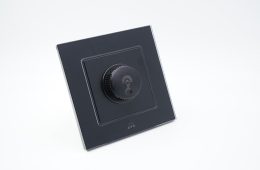
- Dimming compatibility: dimmable lamps and an LED-compatible dimmer are both needed.
- Fluorescent retrofits: check whether LED tubes need the old ballast or starter removed, and use a qualified electrician.
- Controls: an upgrade is the ideal time to add sensors and dimming.
RG Alternatives has been helping homes and businesses in Malta upgrade to LED since 2011, from single rooms to factories and warehouses. Our products come with international warranty and full after-sales support, and you can see our range at LTC LED Lighting in St Paul Street, Naxxar. Speak to our consultancy team before you upgrade.