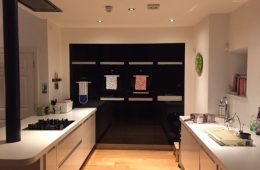

Soffit lighting is one of the most widely used forms of lighting in Maltese homes, shops and offices. Recessed spotlights set into a gypsum ceiling give a clean, modern look, light a room evenly and can be used to highlight features. This introduction explains what soffit lights are, the main types of fitting, and how to plan them well.
What is a soffit?
In architecture, a soffit is the underside of a structural element: the underside of an arch, a balcony, a staircase or the overhanging eaves of a roof. In Malta, the word is also commonly used for gypsum or plasterboard false ceilings and bulkheads, which create a void beneath the concrete slab. That void is ideal for hiding cables and recessing light fittings, which is why soffits and lighting go hand in hand.
Because the space inside a soffit is often shallow, low-profile fittings are preferred. LED technology has made this much easier, since LED lamps and downlights are compact and produce far less heat than the halogen spots that were once standard.
Types of soffit light fittings
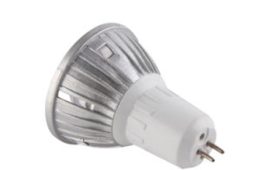
Recessed GU10 soffit fittings
The most common type is a recessed frame, or trim, that holds a GU10 bulb. The frame fits into a round or square hole cut in the gypsum and is held in place by spring clips. Its big advantage is flexibility: you can change the bulb’s brightness, beam angle or colour temperature at any time without touching the fitting. Our article on the GU10 bulb explains how to choose the right lamp.
Soffit frames come in many finishes and materials, including:
- White plastic or painted metal for an understated look
- Brushed or anodised aluminium for a modern finish
- Glass trims that add a decorative glow around the spotlight
- Fixed or adjustable (tilting) frames, so you can aim the light at artwork, shelving or a wall
Trimless fittings
Trimless fittings are plastered into the gypsum so that only the opening is visible, with no visible rim. They create a very clean, architectural look and are popular in contemporary interiors. They need to be planned before the ceiling is finished, as they are fixed in during plastering.
Integrated LED downlights
Instead of a frame and separate bulb, an integrated LED downlight has the LED and its driver built in. These are often slimmer, which helps in shallow voids, and can offer better glare control. The trade-off is that you replace the whole fitting rather than a bulb if it eventually fails.
Linear and indirect soffit lighting
LED strip lights in aluminium profiles can be set into a soffit recess or hidden in a cove so that light washes across the ceiling. This indirect light creates a soft ambient glow and is often combined with spotlights for a layered effect.
Direct and indirect soffit lighting
Soffit lighting can be direct or indirect:
- Direct lighting shines straight down onto an area or object. Recessed spotlights and downlights provide direct light for general illumination or tasks, and adjustable or track spots in a soffit can highlight displays.
- Indirect lighting bounces light off a ceiling or wall. Concealed strips in a cove or above cabinets give a gentle background glow that makes a room feel more spacious and reduces harsh shadows.
The most comfortable rooms usually combine both.
Planning your soffit lighting
Spacing and layout
A common mistake is placing spotlights in a rigid grid without thinking about how the room is used. Start with the areas that need light: worktops, seating, walkways, artwork. As a rough rule, spotlights for general lighting are often spaced somewhere around 1–1.5 m apart in a typical domestic room, depending on ceiling height and beam angle. Keep fittings far enough from walls that the beam does not create harsh scallops, unless you want to wash the wall deliberately.
Beam angle and colour temperature
Wider beams give more even general light; narrower beams create pools of light and drama. Warm white (around 3000K) suits living areas and bedrooms, while neutral white (around 4000K) is popular for kitchens, bathrooms and workspaces. Using the same colour temperature throughout one space keeps it looking consistent.
Cut-out size and depth
Before buying fittings, check the cut-out diameter and the depth available in the void. This is especially important if you are replacing old fittings, as a new frame needs to cover the existing hole neatly.
Bathrooms and outdoors
In bathrooms, choose fittings with an IP rating suitable for their position, for example IP44 or higher near showers and baths. External soffits under balconies, porches and eaves need weather-resistant fittings, ideally in materials that cope with Malta’s salty sea air.
Dimming and controls
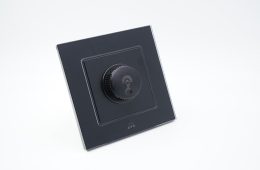
If you plan to dim your soffit lights, choose dimmable lamps and an LED-compatible dimmer from the start. Splitting the lighting into separate circuits, such as perimeter spots, centre spots and cove lighting, gives you far more control over the atmosphere.
Soffit lighting beyond the home
Soffit lighting is equally common in shops, showrooms, restaurants, hotels and offices. In commercial spaces, the choice of fittings, spacing and light levels has a big influence on how products look and how comfortable staff and customers feel, so it pays to plan it properly with a lighting layout.
LTC LED Lighting’s showroom in Naxxar has a wide range of soffit fittings, including plastic, glass, metal, aluminium and trimless designs, along with LED GU10 lamps to suit them. For larger residential or commercial projects, RG Alternatives can prepare a full layout. Find out more about our lighting design and planning service.