
Schools and colleges use a lot of electricity. Classrooms, corridors, halls, laboratories, computer rooms and sports facilities are often in use for eight to ten hours a day, and sometimes into the evening for activities and events. Lighting, air conditioning and IT equipment all add up, making energy one of the biggest running costs for any educational facility.
This guide is for anyone who manages a school or college campus, or who can recommend ideas to those who make the decisions. Here are ten practical ways to reduce energy use and run a greener, more sustainable school.
1. Upgrade to LED lighting
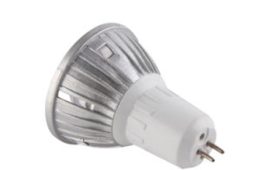
Many schools still rely on fluorescent tubes in classrooms, corridors and offices. LED lighting uses substantially less electricity for the same amount of light, lasts much longer and needs far less maintenance, which matters in buildings with high ceilings or many fittings.
LED panels and battens also give better-quality light, without the flicker and hum that older fluorescent fittings can produce, which helps create a more comfortable learning environment. With most fluorescent tubes now phased out of the EU market, an upgrade also avoids future difficulties in finding replacements.
Outdoors, LED floodlights and street lights can replace older fittings in car parks, playgrounds, sports pitches and around the perimeter. Many modern LED street lights can also be dimmed during quieter hours for additional savings.
2. Install occupancy sensors
Corridors, toilets, store rooms, staff rooms and changing rooms are often lit all day even though they are only used occasionally. Occupancy sensors switch lights on when someone is present and off again when the area is empty. In classrooms, absence detection, where teachers switch the lights on but sensors turn them off, often works well. Our article on motion sensors explains the options.
3. Make switching off a habit
All the technology in the world will not help if lights, projectors and air conditioning are left running in empty rooms. Launch an energy-saving initiative and make sure every member of staff knows about it. Simple reminders, such as stickers by light switches and a quick check at the end of each lesson, can make a real difference.
4. Invest in energy management and controls
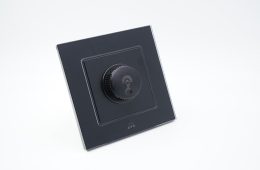
An energy management system, or even simple timers and programmable thermostats, lets you control air conditioning, heating and lighting according to the timetable, weekends and holidays. Leaving this to manual control inevitably means energy is wasted cooling or lighting empty buildings. Sub-metering different blocks or systems also helps you see where energy is being used and spot problems early.
5. Manage computers and IT equipment
Computer suites, interactive whiteboards, projectors and printers draw power throughout the day, and often overnight. Screen savers do not save energy, but sleep and power-management settings do. Make sure computers sleep when idle and are shut down at the end of the day, and switch off projectors and boards between lessons. When replacing equipment, compare energy labels and choose efficient models.
6. Appoint energy monitors
Students can be some of the most effective champions of energy saving. Appoint energy monitors in each class or year group to check that lights and equipment are switched off at break times and at the end of the day. Energy projects, competitions between classes and displays of the school’s energy use help turn savings into a learning opportunity about sustainability.
7. Upgrade the bathrooms
Replacing hand dryers with paper towels simply swaps one cost for another, and creates waste. Modern energy-efficient hand dryers are a better solution. Add LED lighting with sensors in toilets and changing rooms, and consider low-flow taps and efficient water heaters to cut energy used for hot water.
8. Carry out an energy audit
Every school is different, and a general list will never capture everything. A professional energy audit examines the whole building, its lighting, air conditioning, water heating, insulation, equipment and controls, and identifies where energy is being wasted and which measures will pay back fastest. For lighting specifically, comparing existing fittings with an LED alternative shows the expected savings and payback period.
9. Make the most of natural light
Many lessons take place in full daylight, and in Malta there is plenty of it for most of the year. Open blinds when glare is not a problem, and arrange classrooms to make the best use of windows. Daylight sensors can automatically dim lights near windows when there is enough natural light. In interior corridors and halls, skylights or light tubes can bring daylight into areas that would otherwise need artificial light all day.
Remember that daylight brings heat as well, so balance it with shading to avoid increasing the load on the air conditioning in summer.
10. Generate your own energy with solar
Once you have reduced consumption, consider generating some of your own electricity. School roofs are often large, flat and sunny, which makes them well suited to photovoltaic panels. The investment can be significant, but grant and support schemes are periodically available, and a solar installation shows students what renewable energy can achieve in practice. The lower your consumption, the more of it solar can cover.
Where to start
If you are not sure where to begin, lighting is often the quickest win: an LED upgrade with sensors reduces consumption immediately, improves the learning environment and cuts maintenance. Our guide on lowering lighting costs includes further tips that apply equally to schools.
RG Alternatives has carried out LED lighting projects for schools and colleges in Malta, including Chiswick House School and St Martin’s College. We can survey your campus, design the lighting, then supply and install the fittings. Request a quote to get started.