
Most of us are woken every morning by the sound of an alarm on our phone. It works, but it is rarely pleasant. Lighting offers a gentler alternative. By gradually increasing light in the bedroom before you need to get up, LED lighting can mimic a natural sunrise and help you wake more gradually. This idea, sometimes called dawn simulation or a light-based wake-up call, is now easy to set up at home and is increasingly used in hotels.
Why light helps us wake up
Our sleep and wake cycle is strongly influenced by light. In the evening, as light fades and becomes warmer, the body produces more melatonin, the hormone that makes us feel sleepy. In the morning, increasing light, especially brighter and cooler light, signals to the body that it is time to be awake.
Waking in a dark room to a sudden loud alarm skips this natural transition. A light that slowly brightens over 15 to 30 minutes before your alarm time recreates something closer to a natural dawn. Many people find they wake feeling less groggy, and some find they wake before the alarm even sounds.
How a lighting wake-up works
A typical light-based wake-up sequence looks like this:
- Start dim and warm: the light switches on at a very low level with a warm colour, around 2000–2700K, similar to early sunrise.
- Brighten gradually: over a set period, often 15–30 minutes, the light increases steadily in intensity.
- Cool down the colour: if your lights are tunable, the colour temperature rises towards a neutral or cool white, around 4000–5000K or more, like morning daylight.
- Reach full brightness: by your wake-up time, the room is fully lit, with an optional gentle alarm as back-up.
Setting it up at home
You do not need a complex system to enjoy this. Some options, from simple to more advanced:
- Wake-up light alarm clocks: standalone bedside lamps with built-in sunrise simulation.
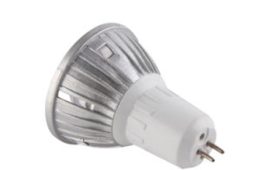
- Smart bulbs: LED bulbs controlled through an app, which can be scheduled to fade in at a set time. Tunable-white versions also change colour.
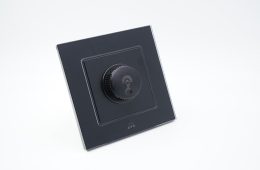
- Smart switches and dimmers: smart wall switches can schedule lights to switch on at a particular time. Combined with dimmable LED fittings, some can also fade lights gradually. Our article on iotty smart switches looks at one option.
- Tunable-white lighting systems: for new builds and renovations, ceiling lights or LED strips with adjustable colour temperature give the most natural effect.
Tips for the best results
- Place the light where it reaches your eyes indirectly, such as a bedside lamp or ceiling light, rather than shining straight into your face.
- Use blackout curtains or blinds so the artificial sunrise is not competing with streetlights or early sun.
- Reverse the process at night: dim lights and switch to warm colours in the hour before bed to help you wind down.
- Keep the same schedule on weekdays and weekends where possible, since consistency helps your body clock.
Lighting scenes beyond waking up
Once you can control both brightness and colour, lighting can do much more than light a room. You can create scenes for different times and moods. In a bedroom or hotel room, typical scenes might include:
- Relax: a low light level, perhaps around 50 lux, with a warm colour temperature for unwinding in the evening.
- Energise: a brighter level, a few hundred lux, with neutral or cool white light for getting ready in the morning.
- Daytime: a moderate level that complements natural daylight from the window.
- Night: a very dim, warm glow, ideally at low level, so you can move around safely without waking yourself up fully.
Good colour rendering (CRI 80 or above, ideally 90) makes the room and the people in it look natural whichever scene is selected.
Wake-up lighting in hotels
Hotels have been quick to recognise the value of lighting for guest comfort. Guest rooms with tunable, dimmable LED lighting can offer:
- A sunrise-style wake-up option as an alternative to a phone alarm.
- Pre-set scenes for relaxing, working and sleeping, controlled from a simple keypad or app.
- Night lighting that guides guests to the bathroom without switching on bright lights.
- Energy savings through room occupancy and key-card controls.
These features help a room feel considered and comfortable, and they can make a real difference to how well guests rest. Similar principles of human-centric lighting can be applied in offices, care homes and other buildings, as described in our simple guide to office lighting design.
The role of LED
None of this would be practical without LED. LEDs dim smoothly, switch on instantly, can change colour temperature, and integrate easily with smart controls. They also use far less energy than older light sources, so lighting scenes and gradual wake-up sequences add very little to your electricity bill.
LTC LED Lighting in Naxxar supplies dimmable LED fittings and iotty smart switches suitable for homes, and RG Alternatives designs lighting and controls for hotels and commercial buildings. To discuss your ideas, get in touch with our team on +356 2141 4137.