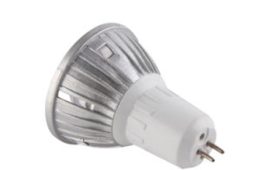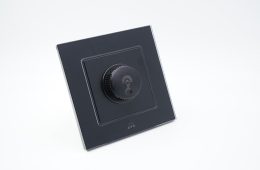

Moving into a new home is the perfect opportunity to get your lighting right from the start. LED fixtures use far less energy than older lighting, last much longer and come in a huge range of styles, colour temperatures and sizes, so there is a suitable option for every room. The trick is to choose fixtures that suit how each room is used and fit your home’s style. This room-by-room guide will help you plan.
Start with layers of light
Before looking at individual rooms, it helps to understand the three layers of lighting that designers use:
- Ambient (general) lighting lights the whole room, from ceiling lights, downlights, panels or pendants.
- Task lighting provides focused light for activities such as cooking, reading or grooming.
- Accent lighting highlights features such as artwork, shelving or architectural details and adds depth.
Most rooms look and work best with a combination of all three, ideally on separate switches or dimmers so you can adjust the mood.
Understand colour temperature
LEDs are available in different shades of white, measured in kelvin (K). Warm white (around 2700–3000K) feels cosy and relaxing. Neutral white (around 4000K) is clean and clear, and cool white (5000K and above) feels crisp and energising. Choosing the right colour temperature for each room makes a big difference to how it feels. Our article on 3000K vs 4000K vs 5000K explains this in more detail.
LED lights for the bedroom
The goal in a bedroom is a calm, restful space. Warm white light is the usual choice, because bright, cool light in the evening can feel stimulating when you are trying to wind down.
Think about how you use the room. Do you read in bed? Do you have artwork or a feature wall you want to show off? A good combination might include:
- A central ceiling light, pendant or chandelier for general light, ideally dimmable
- Bedside wall lights or table lamps for reading, so each person can read without disturbing the other
- Accent lighting, such as an LED strip behind the headboard or adjustable spotlights aimed at a picture
- Lighting inside wardrobes, which is very helpful in deep cupboards
Recessed downlights and track lighting also work well in bedrooms, as long as they are not positioned to shine directly into your eyes when you are lying in bed.
LED lights for the living room
Living rooms are used for many activities, from relaxing and watching television to entertaining guests, so they need flexible lighting with several sources.
- General light: a statement chandelier or pendant, ceiling lights or a well-planned layout of downlights.
- Accent lighting: angled spotlights or track heads to highlight artwork, shelving or features such as a stone arch.
- Soft lighting: table lamps and floor lamps add warmth, especially if your ceiling lights are not dimmable.
If you watch TV in the living room, avoid lights that reflect off the screen. Soft background lighting behind or around the TV reduces the contrast between a bright screen and a dark room and helps prevent eye strain.
LED lights for the kitchen
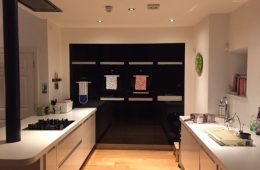
Kitchens need bright, clear, shadow-free light for preparing food safely. Neutral white around 4000K is popular, as it is crisp and helps you see colours and details accurately, though many people prefer 3000K for a warmer feel, especially in open-plan spaces.
- General light: LED panels, downlights or ceiling fittings spaced to light the whole room evenly.
- Task lighting: LED strips or slim fittings under the wall cabinets light the worktops directly and avoid the shadow cast by your own body under ceiling lights.
- Feature lighting: pendants over an island or breakfast bar add style and focused light.
If your kitchen doubles as a dining area, put the dining lights on a separate dimmable circuit so you can create a softer atmosphere for meals.
LED lights for the bathroom
Bathrooms need good light for grooming, shaving and make-up, so ceiling lights alone are rarely enough. A ceiling light directly overhead casts shadows on the face. Lighting around or either side of the mirror gives even, flattering light.
- Choose an illuminated mirror or mirror lights for task lighting.
- Use downlights or a ceiling fitting for general light.
- Consider dimmable lighting or a low-level night light for late-night visits.
Safety is especially important in bathrooms. Fittings must have an IP rating suitable for their position relative to the bath or shower, with higher protection needed closer to water. IP44 or above is commonly specified near baths and showers, but your electrician will confirm what is required for each zone. Avoid plug-in lamps in bathrooms.
Don’t forget the rest of the house
Corridors, stairs, entrances and outdoor areas deserve attention too. Motion sensors work well in corridors and storerooms, step lights improve safety on stairs, and LED outdoor fittings with dusk-to-dawn sensors make your home welcoming and secure. Our lighting tips for new homeowners explain how to plan this before the wiring goes in.
Get expert advice
The best LED fixtures depend on the room you are lighting and how you use it. Visit the LTC LED Lighting showroom on St Paul Street, Naxxar, to see a range of chandeliers, pendants, ceiling lights, downlights and more. For larger homes, RG Alternatives can prepare a lighting design that gets the colour temperature, light levels and fitting positions right throughout. Find out about our LED lighting consultancy.