
LED bulbs have become the default choice for homes, and for good reason. They typically use around 75–85% less energy than incandescent and halogen bulbs and last many times longer. With so many shapes, fittings and colours of light available, though, choosing the right bulb can feel confusing. This guide explains what the information on the box means and how to pick bulbs that make each room look and feel its best.
Read the label: lumens, watts and kelvin
Lumens measure brightness
With old incandescent bulbs, people judged brightness by wattage. Watts actually measure power consumption, and because LEDs are so much more efficient, a low-wattage LED can be as bright as a much higher-wattage incandescent. The figure to look for is lumens (lm), the amount of light the bulb produces. As a rough guide, an LED of around 800 lumens gives a similar light to a traditional 60W incandescent bulb, and around 470 lumens is similar to a 40W bulb. Packaging often states an “equivalent” wattage to help you compare.
Kelvin describes the colour of the light
Colour temperature, measured in kelvin (K), tells you whether white light looks warm or cool. Lower numbers are warmer and more yellow; higher numbers are cooler and bluer. A 4000K bulb looks noticeably whiter than a 3000K bulb, but it is not necessarily brighter: brightness depends on lumens.
- 2700–3000K (warm white): cosy and relaxing, similar to traditional bulbs. Ideal for living rooms, bedrooms and dining areas.
- 4000K (neutral white): clean and clear. Popular in kitchens, bathrooms, home offices, utility rooms and garages.
- 5000K and above (cool white or daylight): crisp and bright-looking, best kept for workshops, garages and task areas.
For a detailed comparison, see our guide on 3000K vs 4000K vs 5000K LED bulbs.
CRI shows how natural colours look
The colour rendering index (CRI) indicates how accurately a light shows colours, on a scale up to 100. A CRI of 80 or more is fine for most rooms. Choose 90 or above where colour matters, such as a dressing area, a kitchen where you want food to look appetising, or around artwork.
Check the fitting and shape
LED bulbs are made to fit standard lamp holders, but check three things before you buy:
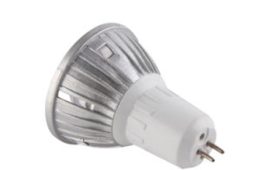
- Cap type. Common types in Maltese homes include E27 (large screw), E14 (small screw), B22 (bayonet) and GU10 (two-pin spotlights). Take the old bulb with you if you are unsure. Our article on the GU10 bulb covers spotlights in more detail.
- Size and shape. Some LED bulbs are slightly longer or wider than the bulbs they replace, which matters in enclosed shades, small pendants and recessed fittings.
- Beam angle. A spotlight with a narrow beam highlights an object, while a wider beam spreads light more evenly.
Dimming
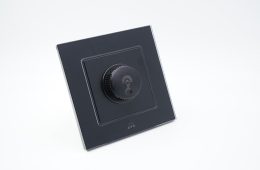
Not every LED bulb is dimmable, so check the packaging. Even with dimmable bulbs, older dimmer switches designed for incandescent loads may cause flickering, buzzing or a limited dimming range. A dimmer designed for LED loads, usually a trailing-edge type, generally gives the best results. If you have existing dimmers, check compatibility before buying a full set of bulbs.
Smart bulbs
Smart LED bulbs let you change brightness, colour temperature and sometimes colour from a phone app or voice assistant. They cost more than standard bulbs but can create great atmosphere. Remember that a smart bulb only works when the wall switch is left on. If you would rather control existing fittings, a smart switch may suit you better.
Decorating tips with LED
Warm light feels homely
If you cannot decide on a colour temperature for living spaces, go warmer. Light around 2700–3000K is closest to the incandescent bulbs most people grew up with and flatters skin tones, timber and fabrics.
Use colour sparingly
Red, blue or colour-changing light can be fun for parties, games rooms or seasonal decorating, but coloured light is not a substitute for good white light in everyday use.
Add accent lighting
LED strip lights above kitchen cabinets, under shelves, behind a TV, along a stair or beneath bathroom vanity units add depth and a soft night-light glow. Outdoors, waterproof strips under a terrace rail or step can look striking.
Layer your lighting
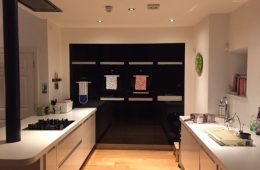
The most attractive rooms rarely rely on one ceiling light. Combine general lighting, task lighting such as reading lamps or under-cabinet lights, and accent lighting for features, so you can adjust the mood throughout the day.
Find the right bulbs for your home
The LTC LED Lighting showroom on St Paul Street, Naxxar, stocks LED bulbs, decorative fittings, strip lights and outdoor lights, and our staff can help you match the right bulb to each fitting and room. For larger homes and commercial premises, RG Alternatives can also prepare a complete lighting design. Explore our product range to get started.