
The pendant light is one of the most versatile ceiling lights available, and it has become a favourite in homes, restaurants, shops and offices. Pendants can provide task lighting, ambient lighting and decorative lighting, sometimes all at once, and they come in an almost endless range of styles. Here is a guide to the main types of pendant lights, where to use them and how to hang them correctly.
Why pendant lights are so popular
Versatility is the main reason. All pendants share the same basic idea, a light suspended from the ceiling by a cord, chain or rod, like a pendant on a necklace, but they come in a huge variety of sizes, shapes, colours and materials, from glass and metal to rattan, concrete and fabric.
Pendants are also practical. They bring light closer to where it is needed, which makes them excellent for lighting tables and worktops. They can turn a previously dark corner into a usable space, and because they hang from the ceiling, they take up no floor or table space, unlike floor and table lamps.
Types of pendant lights
While there is no limit to the designs available, most pendants fall into a few main types:
- Mini pendants: small, often single-bulb fittings used in rows or clusters for task or accent lighting, for example over a kitchen island or bar.
- Downlight pendants: shades that direct light downwards, giving focused light on a table or worktop.
- Uplight pendants: shades open at the top, sending light towards the ceiling to make a room feel bigger and brighter.
- Drum pendants: cylindrical fabric or metal shades, often with a diffuser underneath. They give a soft, even light and suit living rooms and bedrooms.
- Multi-light and cluster pendants: several lights grouped on one ceiling plate, ideal for stairwells, double-height spaces and dining areas.
- Linear pendants: long, slim fittings, ideal over long tables, islands and desks, and widely used in offices.
- Globe and glass pendants: clear, frosted or coloured glass that spreads light in all directions and adds a decorative touch.
Where to use pendant lights
Kitchen
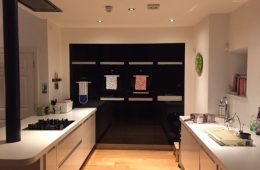
The kitchen island is the classic location. Two or three pendants in a row give focused task light and help define the island as a space. Pair them with recessed or under-cabinet lighting for general and task lighting around the rest of the kitchen. Our guide to colour temperatures includes tips on kitchen lighting.
Dining room
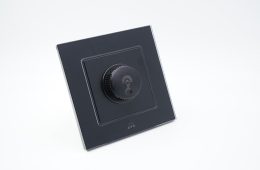
A single large pendant or a group of smaller ones over the dining table is a popular alternative to a chandelier. A dimmer is highly recommended, so you can switch between bright light for everyday use and a softer atmosphere for evening meals.
Bedroom
Pendants hung on either side of the bed can replace bedside table lamps, freeing up surface space and adding a stylish, hotel-like touch. Choose shades that direct light downwards for reading, with a separate switch for each side.
Living room
Over a coffee table or in a corner beside a reading chair, a pendant can add both light and a focal point. Drum or uplight pendants work well for soft ambient light.
Hallways, entrances and stairwells
Entrance halls and double-height spaces are perfect for statement pendants or cluster fittings, which act almost like a piece of art. In corridors, a row of smaller pendants can add rhythm and interest.
Commercial spaces
Restaurants, cafés, bars and shops use pendants to create atmosphere and highlight tables, counters and displays. In offices, linear pendants provide efficient direct and indirect lighting.
How high to hang pendant lights
Getting the height right makes a big difference. These widely used guidelines are a good starting point:
- Over a kitchen island or worktop: roughly 75–90 cm from the worktop to the bottom of the pendant.
- Over a dining table: roughly 75–90 cm above the table top, so the light falls on the table without blocking views across it.
- In walkways and open areas: at least around 2.1 m from the floor to the bottom of the fitting so that people can walk underneath comfortably.
- In double-height spaces: hang the pendant so it sits roughly at the level of the upper floor, or is visible from the window above the entrance.
For low ceilings, choose shorter pendants or switch to flush fittings. Our guide on how to light a low ceiling has more ideas.
Size and spacing
- Over a dining table, a pendant (or group of pendants) spanning around half to two-thirds of the table length usually looks balanced.
- Over an island, space pendants evenly, leaving roughly 60–75 cm between them and at least 15 cm from the ends of the island.
- Consider the visual weight: large glass or metal shades look heavier than open or wire designs of the same size.
Choosing bulbs and controls
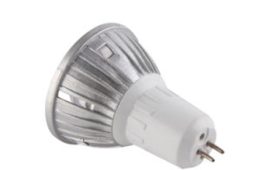
Many pendants use standard E27 or E14 caps, so you can choose the LED bulb. Warm white (2700–3000K) suits dining and living areas, while 3000–4000K works over kitchen worktops. Decorative filament LEDs look attractive in clear glass shades. If you plan to dim your pendants, make sure both the bulb and the dimmer are suitable for LED.
LTC LED Lighting’s showroom in St Paul Street, Naxxar, has a wide range of pendant lights in different styles, sizes and finishes, and our staff are happy to help you choose the right fitting for your space. For larger residential or commercial projects, explore our lighting design and planning service.