
Running a small business means watching every expense, and electricity is one of the costs that quietly adds up month after month. Lighting is often one of the easiest places to save. Whether you run a shop, an office, a restaurant, a workshop or a small warehouse, a few well-chosen changes can noticeably reduce your bills without making your premises any less welcoming.
1. Switch to LED
Replacing older lighting with LED is the single most effective step most businesses can take. LED lighting uses substantially less electricity than incandescent, halogen and fluorescent lighting for the same amount of light, and it lasts far longer.
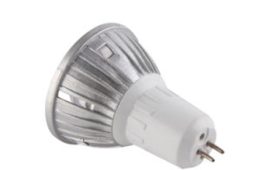
- Halogen spotlights in shop windows and displays can typically be replaced with LED spots that use a fraction of the power.
- Fluorescent tubes and panels in offices and workshops can be replaced with LED tubes, panels or battens.
- Old metal halide or sodium lights in warehouses, yards and car parks can be replaced with LED high-bays and floodlights.
There is also a practical reason to act: most standard fluorescent tubes and compact fluorescent lamps have now been phased out of the EU market, so replacements are becoming harder to find.
Lower maintenance, too
Because LEDs last so much longer, you replace lamps far less often. For a business with high ceilings, long opening hours or many fittings, the saving on replacement lamps and maintenance call-outs can be almost as valuable as the energy saving.
2. Make sure you are not over-lighting
Many premises are lit more brightly than they need to be, particularly after an upgrade where LED fittings were simply swapped one-for-one. Different areas have different needs: a workbench or reception desk needs more light than a corridor or store room. Matching light levels to each task avoids paying for light nobody needs.
A lighting design, using software such as DIALux, can show exactly how many fittings each area requires to meet recommended levels. In some cases, a well-designed LED scheme uses fewer fittings than the system it replaces.
3. Use controls
The cheapest light is the one that is switched off. Simple controls make sure lights only run when they are useful:
- Motion sensors in toilets, store rooms, corridors and staff areas, so lights switch off when nobody is there. See Do motion sensors make any difference?
- Timers for window displays, signage and exterior lighting, so they switch off automatically at a set time.
- Daylight sensors that dim lights near windows when there is enough natural light.
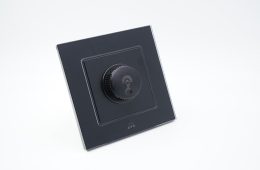
- Smart switches, such as iotty, which let you schedule lighting and check it remotely.
4. Make the most of daylight
Malta enjoys plenty of daylight for much of the year. Keep windows and skylights clean, avoid blocking them with stock or displays where possible, and arrange workstations to benefit from natural light. Light-coloured walls and ceilings also reflect light around a room, so you need less artificial light to achieve the same brightness.
5. Zone your lighting
If all your lights are on one switch, every light in the building runs whenever anyone is in. Splitting lighting into zones (front of house, back office, storage, exterior) means the first person in or the last person out only uses what they need. This is usually a straightforward change when you are upgrading anyway.
6. Build good habits
Technology does most of the work, but staff habits still matter. Make it someone’s job to check that lights, signage and displays are switched off at closing time, and label switches clearly so people know what each one controls. Small habits, repeated every day, add up over a year.
7. Plan your upgrade properly
Before committing to a large purchase, it is worth understanding the numbers. Compare your current lighting with the proposed LED scheme, estimating the energy savings, maintenance savings and payback period. This helps you prioritise the areas where an upgrade will pay back fastest, such as fittings that run long hours, and avoids common pitfalls. Our article on mistakes to avoid when upgrading to LED covers some of these.
When choosing products, look beyond the price tag. Reputable suppliers, proper warranties and quality components make the difference between lighting that performs for many years and lighting that needs replacing early.
8. Tell your customers
Energy efficiency is something many customers care about. If you have upgraded to LED and cut your energy use, say so in your shop, on your website or on social media. It shows that your business takes its environmental responsibilities seriously, and good lighting also makes your premises and products look their best.
Getting started
You do not need to change everything at once. Many businesses start with the lights that run the longest hours, then move on to controls and the rest of the premises as budgets allow. Every step reduces both your bills and your environmental impact.
RG Alternatives has helped businesses of all sizes reduce their lighting costs, from small shops and offices to factories and warehouses. We can visit your premises, prepare a lighting design, and supply and install the right LED fittings. You can also visit LTC LED Lighting in St Paul Street, Naxxar, to see commercial, industrial and residential products. Find out about our LED lighting consultancy.