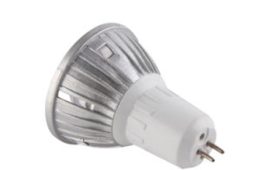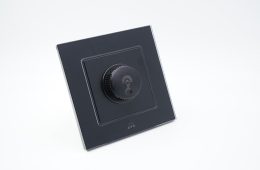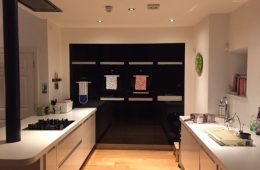

When you buy an LED bulb or fitting, you will usually see a number followed by “K”, such as 3000K, 4000K or 5000K. This is the colour temperature, and it has a big influence on how a room looks and feels. Choosing the right one is just as important as choosing the right brightness. This guide explains what the numbers mean and how to pick the right colour for each room, with a closer look at the kitchen.
What is colour temperature?
Colour temperature describes the colour of white light, measured in kelvin (K). The lower the number, the warmer and more yellow the light; the higher the number, the cooler and bluer it becomes. It has nothing to do with how hot the bulb gets, and it does not tell you how bright the light is. Brightness is measured separately, in lumens.
- 2700K–3000K (warm white): soft, yellowish light similar to traditional incandescent and halogen bulbs. Cosy and relaxing.
- 4000K (neutral or natural white): clean, balanced white light that is bright without being harsh.
- 5000K–6500K (cool white or daylight): crisp, bluish-white light similar to daylight around midday. Very clear and energising.
How colour temperature affects mood
Our bodies respond to light colour as well as intensity. Cooler, bluer light tends to feel stimulating and is associated with alertness, which is why it suits places where people need to concentrate. Exposure to bright, blue-rich light in the evening can also suppress melatonin, the hormone that helps us sleep. Warmer light feels more relaxing and is the better choice for spaces used to unwind, especially in the evening.
Which colour temperature for each room?
There are no strict rules, and personal taste matters, but these are good starting points:
- Living room: 2700K–3000K for a warm, welcoming atmosphere.
- Bedroom: 2700K–3000K to help you relax before sleep.
- Dining area: 2700K–3000K, ideally dimmable.
- Kitchen: 3000K–4000K (see below).
- Bathroom: 3000K–4000K; neutral white is helpful for shaving and make-up.
- Home office or study: 4000K for focus; some people prefer up to 5000K.
- Garage, workshop and utility rooms: 4000K–5000K for clear, practical light.
- Outdoor and garden: usually 2700K–3000K, which looks natural and causes less glare.
3000K vs 4000K vs 5000K in the kitchen
The kitchen is the heart of the home. It is a workplace where you chop, cook and clean, but also a place where family and friends gather. Its lighting needs to be bright and practical without feeling clinical.
- 3000K gives a warm, homely feel. It works well in kitchens that flow into a living or dining area, and for pendants over an island or table.
- 4000K gives a clean, bright white that shows food and surfaces clearly while still feeling comfortable. It is the most popular all-round choice for kitchen worktops and general kitchen lighting.
- 5000K is very crisp. It can suit a purely functional kitchen or utility room, but in a family kitchen many people find it too cold, especially in the evening.
For most homes, 4000K is the safest choice for task lighting, with 3000K for decorative or dining lights. Whatever you choose, keep the same colour temperature within each area so the lighting looks consistent.
How bright should a kitchen be?
Brightness matters as much as colour. Worktops and preparation areas typically benefit from around 300–500 lux, while general kitchen lighting can be lower. Choose bulbs by lumens rather than watts, and look for a colour rendering index (CRI) of 80 or above, ideally 90, so that food looks natural.
Three layers of kitchen lighting
1. Recessed or ceiling lighting (ambient)
Recessed downlights or ceiling fittings provide a consistent layer of light across the room. Place them according to where you actually stand and work. In a narrow galley kitchen, a single row of downlights running along the worktops often works best. In a larger kitchen, a grid or two rows may be needed. Avoid placing lights so that you stand between the light and the worktop, which casts your shadow over your work.
2. Under-cabinet lighting (task)
Under-cabinet lighting is one of the most effective improvements you can make. LED strips in aluminium profiles or slim linear fittings mounted under wall cabinets put light exactly where you prepare food, with no shadows. Mount them towards the front of the cabinet so light falls on the worktop rather than the back wall. For open shelving, small downlights or a pendant can do the same job.
3. Track and pendant lighting (accent and decorative)
Track lighting consists of adjustable spotlights mounted on a ceiling rail, so you can reposition and aim each light over worktops, the sink or a feature. Pendants, by contrast, hang from the ceiling and work beautifully over an island or a kitchen table. Our guide on where and how to use pendant lighting has tips on heights and spacing.
Tunable and smart options
If you cannot decide, tunable-white LEDs let you adjust the colour temperature, for example cooler while cooking and warmer during dinner. Smart bulbs and switches add scheduling and scenes. Our article on GU10 bulbs also explains how to choose spotlights by colour, beam angle and brightness.
LTC LED Lighting in Naxxar stocks LED bulbs and fittings in warm, neutral and cool white, so you can see the difference for yourself before you buy. For help planning the lighting for a kitchen or a whole home, contact RG Alternatives.